


How 3D Lettering Can Transform Your Melbourne Business
3d lettering can transform a Melbourne business by turning a flat sign into a three‑dimensional focal point that draws the eye of passersby... In this article we cover material choices, climate‑aware design, council compliance, installation steps, sustainability, digital integration, & measurable ROI so you know exactly how to attract more customers.
Understanding 3D Lettering For Melbourne Businesses
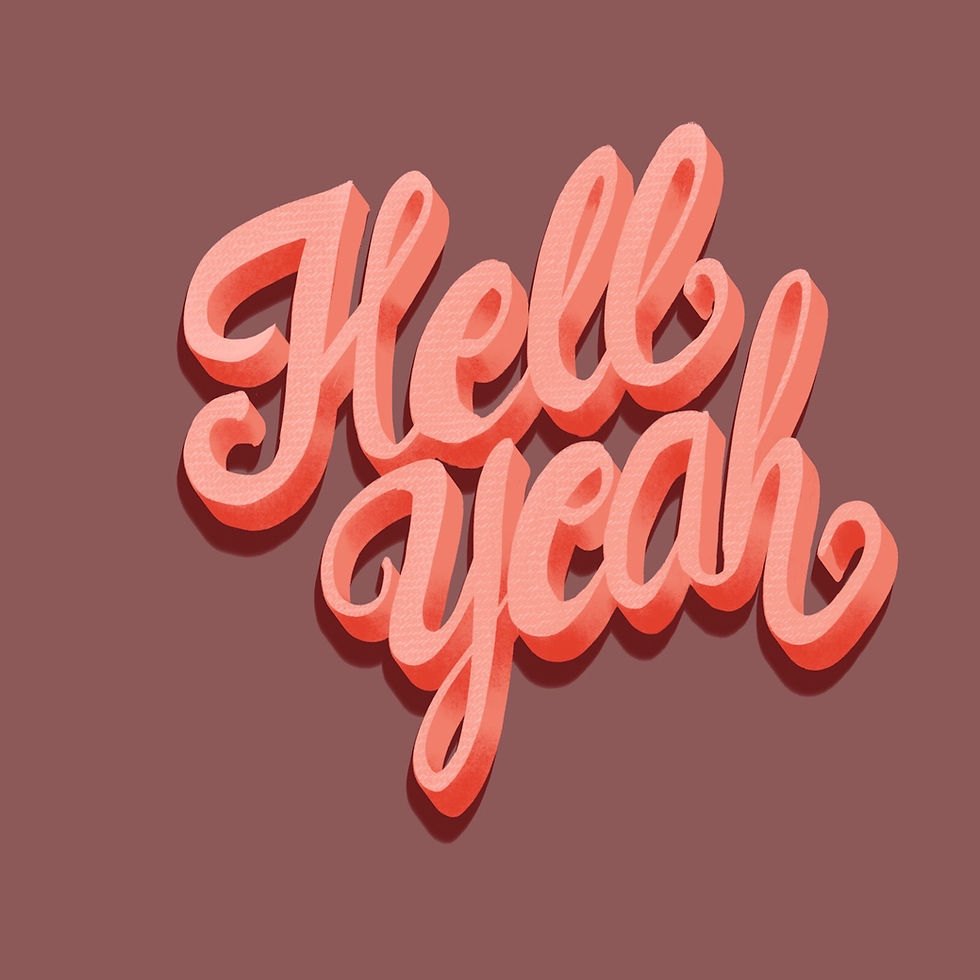
3d lettering adds depth to storefronts and makes a brand instantly recognisable. When a passerby sees a raised letter against the façade it creates a tactile impression that flat graphics cannot match. Melbourne’s diverse streetscapes, from the laneways of Fitzroy to the high‑rise precincts of Southbank, benefit from a sign that stands out in any visual clutter.
Materials And Finishes That Work Locally...
Common choices include aluminium, stainless steel, acrylic and high‑density foam. Aluminium offers a lightweight yet sturdy option that resists rust during the wet winter months. Stainless steel provides a polished look that reflects the summer sun without fading. Acrylic can be back‑lit with LED for night‑time visibility, while foam is ideal for temporary event signage.
Design Considerations & Local Climate Impact...
Melbourne’s weather swings from hot summer heat to cool, rainy winters, so designers must pick materials that handle UV exposure and moisture. 3d lettering coated with UV‑resistant powder paint will retain colour for years without peeling. In high‑wind suburbs like St Kilda, anchoring the letters to a reinforced frame prevents movement.
Font Choice & Legibility
Bold, sans‑serif fonts work best for distance reading. Avoid intricate scripts that lose definition when the letters are viewed from a car. The ideal height for a street‑level sign in a busy precinct is between 1.2 m and 1.8 m, giving enough presence without overwhelming the façade.
Compliance, Permits And Council Guidelines
Before any fabrication begins, you must check the local council’s sign regulations. Most Melbourne councils require a development application for signs larger than 1 m²... The sign must not protrude more than 300 mm from the building line to maintain pedestrian safety.
Accessibility & Safety Standards
3d lettering should not create hazardous edges. Rounded corners or protective caps reduce the risk of injury. For businesses that serve disabled customers, ensure the lettering does not block tactile ground‑surface indicators required by the Australian Standards.
Installation Workflow Step‑By‑Step
The first step is a site survey to map exact mounting points & verify structural capacity. Next a CAD model is created and sent to a CNC router for precise cutting. The fabricated pieces are then painted assembled and finally mounted using stainless‑steel brackets.
DIY Safety Protocols
When handling heavy aluminium panels, wear steel‑toe boots & gloves. Use a harness when working above 2 m height on a scaffold. See, keep a fire extinguisher nearby when welding or soldering metal components.
Sustainability And Green Material Options...
Recycled aluminium and FSC‑certified acrylic are increasingly popular for eco‑conscious brands. Low‑VOC powder coatings reduce volatile emissions during application. A solar‑powered LED system can light the lettering at night without adding to the grid load.
Energy‑Efficient Lighting Solutions...
LED strips integrated into the back of acrylic letters use less than 15 watts per metre. Dimmable controllers allow the brightness to be reduced after business hours saving energy while still providing a visual cue for late‑night shoppers.
Digital Integration & Future Trends
QR codes can be etched directly into the surface of metal letters, linking to a promotional page without cluttering the design. To be honest, nfc tags hidden behind the lettering enable contactless interaction for mobile users. 2026, kinetic lettering that moves with wind or programmed motors is emerging as a high‑impact visual tool.
Seasonal And Event‑Specific Solutions
For the Melbourne International Comedy Festival, temporary foam letters painted in bright colours can be installed in a week and removed after the event. Pop‑up retail spaces benefit from modular 3d lettering that snaps together without permanent fixing.
Measuring ROI And Business Impact...
Studies show that a well‑placed 3d lettering sign can increase foot traffic by up to 22 % in high‑density precincts. Track the lift by comparing pedestrian counts before and after installation using a simple camera system. Social media mentions often rise when a visually striking sign becomes a local landmark.
Case Study Examples From Melbourne
One boutique café in Collingwood replaced a flat vinyl logo with brushed‑aluminium 3d lettering. Within three months the venue reported a 15 % rise in morning customers and a surge in Instagram tags. Another tech start‑up in Richmond used back‑lit acrylic letters that glowed at night, attracting after‑work crowds and generating new client inquiries.
Conclusion
Investing in 3d lettering gives Melbourne businesses a tangible edge in a competitive visual market. Um, by choosing the right material, complying with local regulations, and integrating digital features, you can create a sign that not only looks great but also drives measurable growth. The lasting impact of 3d lettering on brand perception makes it a smart addition to any commercial strategy.


