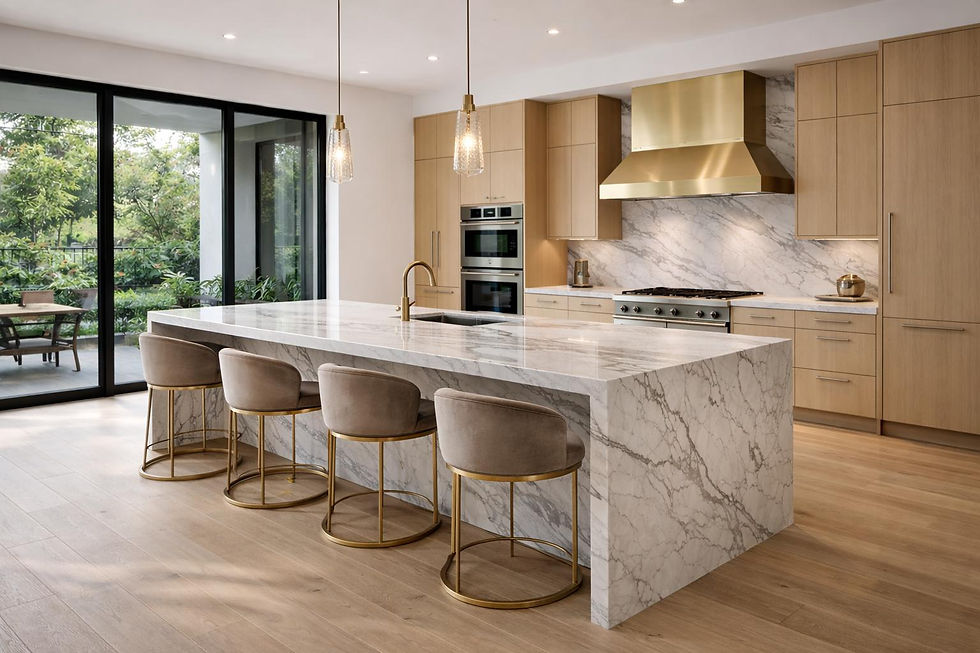
How To Choose Energy Efficient Home Builders
Are you planning to build your dream home but feeling overwhelmed by the choices out there? Have you wondered what actually makes a builder "energy efficient" and whether it's worth the investment? Perhaps you're asking yourself how to spot the genuine experts from those simply jumping on the green bandwagon?
Building a new home is one of the biggest decisions you'll ever make. And in today's world, energy efficiency isn't just a nice-to-have—it's becoming essential. With rising electricity costs and growing awareness about environmental impact, choosing the right builder can make a massive difference to both your wallet and the planet. The good news? You're in the right place to learn exactly what to look for.
In this guide, we'll walk you through everything you need to know about selecting an energy efficient home builders in Australia. From understanding certifications and ratings to asking the right questions before signing on the dotted line, you'll come away with practical knowledge to make a confident decision. Let's get stuck into it.

What Makes A Home Builder "Energy Efficient"?
Key Certifications To Look For (NatHERS, Green Star, Passive House)
When you're evaluating builders, certifications are your best friend. They provide third-party verification that a builder actually knows their stuff. In Australia, the main certifications worth knowing about include NatHERS (Nationwide House Energy Rating Scheme), Green Star, and Passive House.
NatHERS rates homes on a scale of zero to ten stars, with higher ratings indicating better thermal performance. Most states require a minimum six-star rating for new builds, but the best energy efficient builders consistently achieve seven stars or higher. Green Star certification, administered by the Green Building Council of Australia, takes a broader view of sustainability, considering water usage, materials, and indoor environment quality.
Passive House (or Passivhaus) is the gold standard internationally. Homes built to this standard use up to 90% less energy for heating and cooling compared to conventional buildings. While fewer Australian builders hold this certification, those who do are typically at the cutting edge of energy efficient construction.
Understanding Energy Ratings In Australian Home Construction
Energy ratings can seem confusing at first, but they're actually quite straightforward once you get the hang of them. A home's star rating essentially predicts how much energy you'll need to keep it comfortable year-round. Each additional star represents roughly a 20% improvement in energy efficiency.
The rating considers factors like orientation, insulation, glazing, and thermal mass. A well-designed home works with your local climate rather than against it. This means your builder needs to understand not just construction techniques, but also how your specific location affects energy performance. A design that works brilliantly in Melbourne might be completely wrong for Darwin.
What Should I Look For In An Energy Efficient Home Builder?
Experience With Sustainable Building Materials
A truly capable energy efficient builder will have hands-on experience with sustainable materials. This includes everything from recycled steel and timber to low-VOC paints and eco-friendly insulation options. They should be able to discuss the pros and cons of different materials without hesitation.
Ask potential builders about their material sourcing practices. Do they prioritise locally manufactured products to reduce transport emissions? Are they familiar with newer options like hempcrete or cross-laminated timber? Their answers will reveal whether sustainability is genuinely part of their approach or just marketing speak.
Knowledge Of Climate-Responsive Design
Australia's diverse climate zones mean there's no one-size-fits-all approach to energy efficient design. A knowledgeable builder understands how to position rooms, windows, and outdoor areas to maximise natural light while minimising heat gain in summer.
Look for builders who ask detailed questions about your site before proposing designs. They should discuss prevailing winds, sun angles throughout the year, and how surrounding buildings or vegetation might affect your home's performance. This attention to detail separates the experts from the rest.
Commitment To Insulation And Thermal Performance
Insulation is absolutely key to energy efficiency, yet it's often where corners get cut. Quality builders invest in proper insulation throughout the building envelope—walls, ceiling, and floor. They also understand that insulation alone isn't enough; thermal bridging and air leakage must be addressed too.
Beyond insulation, ask about glazing specifications. Windows are typically the weakest point in a home's thermal envelope. Double or triple glazing, low-E coatings, and thermally broken frames can dramatically improve performance. A committed builder will include these features as standard rather than expensive upgrades.
Can You Provide References From Past Energy Efficient Builds?
Speaking with previous clients is invaluable. Ask for contacts who've lived in their homes for at least a year—they'll have real experience with energy bills and comfort levels. Most proud builders will happily connect you with satisfied customers.
How To Compare Energy Efficient Home Builders In Your Area
Create a shortlist of three to five builders and request detailed quotes for the same basic specifications. Compare not just prices but also included features, warranty terms, and communication quality. Visit display homes and completed projects where possible.
Ask each builder the same questions and note how thoroughly they respond. The best builder for you combines technical expertise with clear communication and genuine enthusiasm for sustainable building.
Final Checklist: Making Your Decision With Confidence
Before making your final choice, confirm the builder holds relevant certifications, provides clear energy rating commitments, includes sustainable features as standard, offers solid references, and communicates openly about costs. Trust your instincts too—you'll be working closely with this team for months.
Building A Sustainable Future Starts With The Right Builder
Choosing an energy efficient home builders is one of the smartest decisions you can make for your family, your finances, and the environment. Throughout this guide, we've explored what makes builders genuinely energy efficient, the questions to ask, the red flags to avoid, and how to compare your options effectively.
The key takeaway? Don't be swayed by marketing alone. Look for demonstrated expertise through certifications, past projects, and detailed knowledge of sustainable building practices. A quality energy efficient builder will welcome your questions and provide clear, honest answers.
Your new home should be comfortable, affordable to run, and built to last. By taking the time to choose the right builder now, you're setting yourself up for decades of benefits. So go ahead, ask those tough questions, check those references, and build the sustainable home you deserve. You've got this!