Lawn Mowing Benefits for a Beautiful Outdoor Space
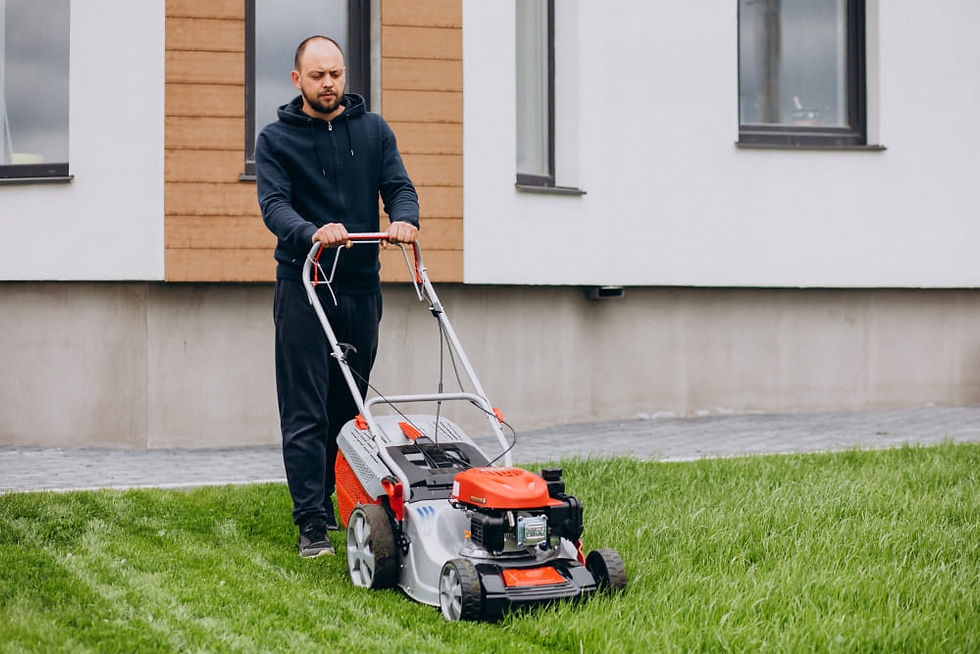
Ever wondered why some gardens look effortlessly gorgeous while others seem to struggle? Could the secret be something as simple as how often you fire up the mower? And what if the way you approach your lawn care routine could transform not just your grass, but your entire outdoor living experience?
Here's the thing – lawn mowing is about so much more than keeping things tidy. When done right, regular mowing promotes healthier grass, keeps pesky weeds at bay, and creates a safer space for your family to enjoy. But there's also a growing movement questioning whether we should be mowing quite so much. It's a fascinating balance that every Aussie gardener needs to understand.
In this guide, we'll explore everything from the best time to mow grass to situations when you should leave the mower in the shed. We'll look into the benefits of letting grass go to seed, what to do with those grass clippings on lawn, and even how to slow grass growth naturally. Whether you're a weekend warrior who loves a perfectly striped lawn or someone curious about the no cut grass approach, there's something here for you.
The Key Benefits of Regular Lawn Mowing
Promotes Healthier, Thicker Grass Growth
When you mow regularly, you're actually encouraging your grass to grow thicker and stronger. Each cut stimulates the grass to produce new shoots, creating that lush, carpet-like appearance we all love. Think of it like pruning a hedge – the more you trim, the denser it becomes.
Consistent mowing also helps distribute nutrients more evenly across your lawn. Grass that's left to grow too tall often develops a weak root system because all the energy goes into the blade growth. Regular cutting forces the plant to strengthen its roots instead.
Plus, keeping your grass at an optimal height means more sunlight reaches the soil. This promotes better overall lawn health and reduces bare patches
Keeps Pests and Weeds Under Control
Tall, unkempt grass is basically a five-star hotel for pests. Ticks, mosquitoes, and other unwanted visitors love hiding in overgrown lawns. Regular mowing disrupts their habitat and makes your garden far less appealing to them.
Weeds also struggle to take hold in a well-maintained lawn. When your grass is healthy and dense, there's simply no room for opportunistic weeds to establish themselves. It's a natural defence system that works brilliantly.
Creates a Safer Outdoor Space for Your Family
A neatly mowed lawn isn't just about appearances – it's genuinely safer. You can spot potential hazards like broken glass, sharp objects, or snake holes much more easily when the grass is short. For families with young children running about, this peace of mind is invaluable.
When Is the Best Time to Mow Grass?
Seasonal Considerations: From Spring Growth to Autumn Grass
During spring, your lawn kicks into high gear and may need mowing weekly. As temperatures rise in summer, you might need to mow even more frequently, though it's wise to raise your cutting height to protect the grass from heat stress.
Autumn grass presents its own considerations. Growth slows down, and you can gradually reduce your mowing frequency. This is actually a brilliant time to let your lawn build up strength before winter.
Time of Day: Why Morning and Late Afternoon Work Best
Mid-morning is ideal – the dew has dried, but the sun isn't at its fiercest. Late afternoon works well too, giving your grass time to recover before nightfall. Avoid mowing during the hottest part of the day, as this stresses both you and your lawn.
Weather Conditions to Watch Out For
Never mow wet grass. It clogs your mower, cuts unevenly, and can spread lawn diseases. Wait for dry conditions – your lawn will thank you for the patience.

When Not to Mow Your Lawn: Times to Leave the Mower in the Shed?
When Not to Cut Grass: Wet Conditions and Extreme Heat?
Understanding when not to cut grass is just as important as knowing when to mow. Wet lawns are a nightmare to cut – the blades tear rather than slice, leaving your grass vulnerable to disease. During extreme heat, mowing stresses your lawn further when it's already struggling.
Not Mowing Your Lawn During Drought Stress
If your area is experiencing drought, not mowing your lawn can actually help it survive. Longer grass shades the soil, reduces water evaporation, and protects the root system. Sometimes the kindest thing you can do is step away from the mower.
Waiting Too Long to Mow New Grass: What Happens and How to Fix It
Mistakes to avoid for better lawn care, such as waiting too long to mow new grass? Don't panic. The key is to never remove more than one-third of the blade height at once. If it's gotten away from you, mow it down gradually over several sessions to avoid shocking your lawn.
The No Cut Grass Movement: Benefits of Letting Grass Go to Seed
Supporting Pollinators and Local Wildlife
The no-cut grass movement is gaining traction, and for good reason. Allowing sections of your lawn to grow wild creates vital habitats for bees, butterflies, and other pollinators. The benefits of letting grass go to seed extend to the entire local ecosystem.
Native wildflowers often pop up in unmown areas, providing food sources for insects that are declining at alarming rates. It's a simple way to make a genuine environmental difference.
Reducing Your Environmental Footprint
Less mowing means less fuel consumption and fewer emissions. Electric mowers help, but not mowing at all eliminates the impact. Your lawn essentially becomes a carbon sink rather than a source of pollution.
Is No-Cut Grass Right for Your Australian Garden?
For many Aussie gardens, a hybrid approach works best. Consider leaving a section wild while maintaining paths and play areas. It creates visual interest and supports wildlife without sacrificing functionality.
What to Do with Grass Clippings on the Lawn?
Should You Mulch Lawn Clippings Back In?
Absolutely! Learning to mulch lawn clippings is one of the best things you can do for your grass. These clippings break down quickly, returning valuable nutrients to the soil. It's free fertiliser, essentially.
The Nutrient Benefits of Leaving Clippings Behind
Grass clippings on the lawn contain nitrogen, phosphorus, and potassium – the holy trinity of lawn nutrition. Leaving them behind can reduce your fertiliser needs by up to 25%. That's money back in your pocket.
When to Remove Clippings Instead?
If your grass is diseased, remove clippings to prevent spreading. Thick clumps that smother the lawn should also go. Otherwise, let them be.

How to Slow Grass Growth Naturally?
Wondering how to slow grass growth naturally? Reduce watering and fertilising frequency. Choose slow-growing grass varieties suited to Australian conditions. Raising your mowing height also tricks grass into growing less vigorously.
Best Way to Cut Grass Without a Lawn Mower
The best way to cut grass without a lawn mower varies by space. Manual reel mowers work brilliantly for small areas. Grass shears handle edges and tight spots. For larger alternatives, consider scythes or grazing animals if your council permits!
Gardening and Lawn Mowing: How They Work Together
Gardening and lawn mowing Cranbourne aren't separate activities – they're part of a cohesive outdoor care routine. Time your mowing to complement other gardening and mowing tasks. Edge your beds after mowing for that polished finish.
Common Lawn Mowing Mistakes to Avoid
Cutting too short (scalping)
Using blunt mower blades
Mowing in the same direction every time
Ignoring your mower's maintenance needs
Achieving a Beautiful Outdoor Space Through Smart Mowing
Looking back, it's clear that successful lawn care isn't about following a rigid schedule. It's about understanding your grass's needs and responding thoughtfully. Whether you choose regular mowing or embrace the no-cut grass philosophy for parts of your garden, the key is making informed decisions.
The best lawn mowing comes from gardeners who pay attention. They notice when their grass needs water, recognise when to mow, and understand when to hold back. They see their lawn as a living system rather than a chore to tick off.
So next time you're standing in your garden, mower at the ready, remember that you're doing more than cutting grass. You're creating a healthier outdoor space for your family, supporting local wildlife, and building something genuinely beautiful. Now that's worth getting excited about, isn't it?