


Mistakes to Avoid When Attempting to Unblock Your Blocked Drains
- Feb 13
- 6 min read
Have you ever stood in the shower watching water pool around your ankles? Or noticed that familiar gurgling sound coming from your kitchen sink? Perhaps you've caught a whiff of something unpleasant drifting up from your bathroom drain? If any of these scenarios sound familiar, you're definitely not alone. Blocked drains are one of the most common household headaches faced by homeowners across Lewisham.
The temptation to grab a plunger and sort it yourself is completely understandable. After all, how hard can it be to clear a simple blockage? Well, as it turns out, quite a bit can go wrong. Many well-meaning DIY attempts end up making the problem worse, causing damage to pipes, or even creating health hazards. What starts as a minor inconvenience can quickly spiral into an expensive nightmare.
In this guide, we'll walk you through the most common mistakes people make when trying to unblock their blocked drains lewisham. You'll learn what causes blockages in the first place, which methods can actually damage your plumbing, and when it's time to call in the professionals. By the end, you'll have a clear understanding of how to protect both your drains and your wallet. Let's get stuck into it.

Understanding What's Actually Blocking Your Drain
Common Causes of Blocked Drains in Lewisham Homes
Before you attempt any fix, it's worth understanding what you're dealing with. In Lewisham homes, the usual suspects include hair, soap scum, food waste, and grease buildup. Older properties often have additional challenges like tree root intrusion or deteriorating pipework.
Kitchen sinks typically suffer from fat and food debris accumulation. Bathroom drains battle hair and product residue. External blocked drains can become clogged with leaves, debris, and even the odd tennis ball if you've got kids about.
How Do I Know If My Drain Is Completely Blocked?
A slow-draining sink doesn't always mean a complete blockage. Water that refuses to drain at all, multiple fixtures backing up simultaneously, or sewage smells are signs of something more serious. Gurgling sounds indicate trapped air, which suggests a partial obstruction further down the line.
The Biggest Mistakes Homeowners Make When Unblocking Drains
Using Boiling Water on the Wrong Pipes
Pouring boiling water down the drain seems like a logical first step. It's cheap, chemical-free, and readily available. However, this approach can backfire badly. Older properties with PVC pipes or porcelain fixtures can crack under extreme temperatures.
Plus, if the blockage is caused by grease, boiling water might temporarily shift it further down the pipe where it solidifies again. You've essentially moved the problem rather than solving it.
Over-Relying on Chemical Drain Cleaners
Those powerful drain cleaners lining supermarket shelves promise quick results. The reality is often different. While they might clear minor blockages, repeated use causes significant problems. The harsh chemicals can corrode pipes, damage seals, and harm the environment.
What's more, if the blockage doesn't clear, you're now dealing with standing water mixed with caustic chemicals. Not ideal when you eventually need to call a plumber.
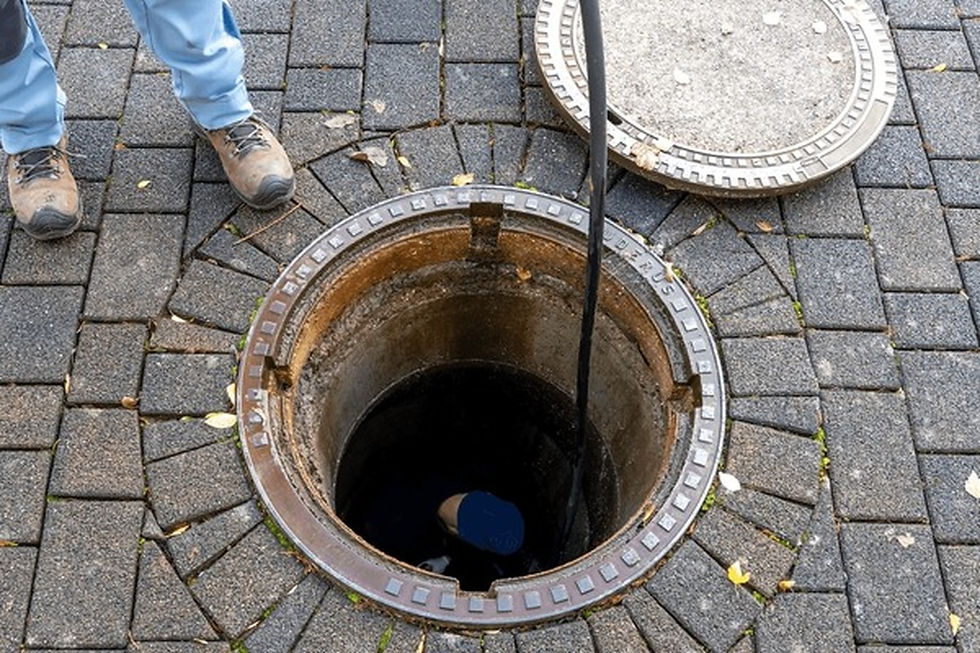
Pushing the Blockage Further Down
Vigorous plunging or aggressive use of drain rods can push the obstruction deeper into your drainage system. What was once an accessible blockage near the plughole becomes lodged somewhere much harder to reach.
This mistake often turns a simple fix into a job requiring professional equipment like CCTV surveys or high-pressure water jetting.
Using the Wrong Tools for the Job
Coat hangers, screwdrivers, and kitchen utensils have no place in your blocked drains. Improvised tools can scratch pipe interiors, break off inside the system, or damage seals and joints. Purpose-built drain snakes and augers exist for good reason.
Ignoring Warning Signs of a Deeper Problem
Persistent blockages that keep returning suggest something more serious. Tree root intrusion, collapsed pipes, or improper pipe gradients require professional diagnosis. Treating the symptoms without addressing the cause wastes time and money.
Can Chemical Drain Cleaners Damage Your Pipes?
The Hidden Risks of Shop-Bought Solutions
The short answer is yes, absolutely. Chemical drain cleaners contain sodium hydroxide or sulphuric acid, which generate heat to dissolve blockages. This heat can soften PVC pipes and weaken joints. On older metal pipes, these chemicals accelerate corrosion.
Repeated use weakens your entire drainage system. You might clear the blockage, but you're shortening your pipes' lifespan significantly.
Safer Alternatives for Clearing Minor Blockages
For minor blockages, a mixture of bicarbonate of soda and white vinegar works surprisingly well. Pour half a cup of bicarb down the drain, follow with half a cup of vinegar, wait thirty minutes, then flush with warm water.
Enzyme-based cleaners offer another gentler option. These products use bacteria to break down organic matter without harming your pipes. They're slower but much safer for regular maintenance.
What Should You Not Put Down a Blocked Drain?
Items That Make Blockages Worse
When you've got standing water in your sink, the temptation to throw more chemicals at it is strong. Resist this urge. Mixing different drain cleaners can create toxic gases. Adding more of the same product won't help if it didn't work the first time.
Never put coffee grounds, eggshells, or fibrous vegetables down your kitchen drain. Wet wipes, cotton buds, and sanitary products should never enter your plumbing, regardless of what the packaging claims.
Why Grease and Fat Are Your Pipes' Worst Enemy
Grease might flow freely when hot, but it solidifies as it cools. Inside your pipes, it coats the walls and traps other debris, creating stubborn blockages called fatbergs. These can build up for months before causing problems.
Always scrape plates into the bin and wipe greasy pans with kitchen roll before washing. It's a small habit that prevents major headaches.

How Do You Unblock a Badly Blocked Drain?
When DIY Methods Simply Won't Work
Some blockages require professional equipment. If you've tried plunging, used a drain snake, and applied enzyme cleaners without success, it's time to accept defeat. Continuing to prod and poke risks causing damage.
Blockages caused by tree roots, collapsed pipes, or heavy limescale buildup cannot be cleared with household tools. You need professionals with the right kit.
The Importance of Professional Drain Surveys
A CCTV drain survey reveals exactly what's happening inside your pipes. Cameras identify blockage locations, pipe damage, and potential problem areas. This information allows for targeted repairs rather than guesswork.
Many Lewisham drainage companies offer surveys at reasonable rates. The investment often saves money by preventing unnecessary work.
When Should You Call a Professional Plumber for Blocked Drains?
Signs You're Out of Your Depth
Multiple blocked fixtures indicate a main drain issue. Sewage backing up poses health risks requiring immediate attention. Persistent bad smells despite clearing visible blockages suggest problems further down the system.
If you've attempted two or three DIY methods without improvement, don't keep trying. Each failed attempt potentially worsens the situation.
Emergency Blocked Drain Services in Lewisham
Complete drain blockages constituting emergencies require fast response. Many Lewisham drainage specialists offer 24-hour callout services for urgent situations. Sewage overflow particularly demands immediate professional intervention to prevent property damage and health hazards.
How Much Does It Cost to Unblock a Drain in Lewisham?
Factors That Affect Drain Unblocking Prices
Costs vary depending on blockage severity, location, and time of callout. Simple internal blockages might cost to clear. External drain blockages requiring jetting typically range from. Complex issues involving excavation can run into thousands.
Why the Cheapest Option Isn't Always Best
Suspiciously low quotes often mean corners get cut. Unqualified workers might cause additional damage or provide temporary fixes that fail within weeks. Reputable companies charge fair rates and stand behind their work with guarantees.
Preventing Future Drain Blockages: Expert Tips
Prevention beats cure every time. Install drain guards to catch hair and debris. Run hot water through kitchen sinks after washing up. Monthly enzyme treatments keep pipes clear. Never treat toilets as bins.
External blocked drains benefit from regular clearing of leaves and debris, particularly during autumn. Annual professional inspections catch developing problems before they become emergencies.
Protecting Your Drains and Your Wallet
Dealing with blocked drains is frustrating, but rushing into DIY fixes often makes matters worse. The mistakes we've covered—from using boiling water on unsuitable pipes to over-relying on harsh chemicals—can transform minor blockages into major repairs. Taking a moment to understand your drainage system saves both stress and money.
Knowing when to step back matters just as much as knowing what to try. If your initial attempts don't work, continuing to experiment risks damaging your pipes or pushing blockages deeper into the system. Professional drainage specialists have the tools, training, and experience to resolve issues quickly and safely.
Looking after your blocked drains doesn't require much effort. Simple habits like disposing of grease properly, using drain guards, and avoiding flushing unsuitable items make a genuine difference. When problems do arise in your Lewisham home, remember that calling in experts early usually costs less than fixing DIY disasters later. Your blocked drains —and your bank balance—will thank you.


