Top 5 Myths About Chemical Peels You Need to Stop Believing
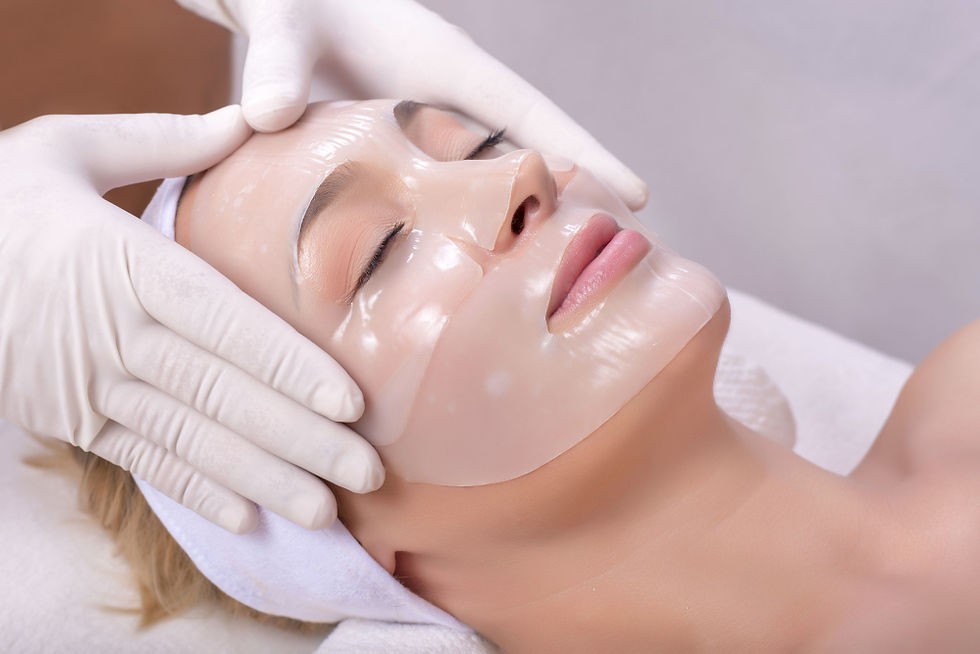
Have you ever scrolled through social media and seen those dramatic before-and-after chemical peel photos? You know the ones—sheets of skin peeling away like sunburn on steroids? Perhaps you've wondered whether chemical peels are worth the hype, or maybe you've been put off entirely by scary stories about pain and weeks of hiding indoors.
Here's the thing: chemical peels have been around for decades, and they're one of the most effective skincare treatments available. Yet, so much misinformation surrounds them that many people miss out on the incredible benefits of a chemical peel. From concerns about unbearable pain to worries about damaging your skin, these myths prevent countless Australians from achieving their skin goals.
In this post, we're going to bust the top five myths about chemical peels that are simply not true. We'll explore the facts about Chemical Peel Preston, discuss what different treatments actually feel like, and help you understand what to genuinely expect. Whether you're considering your first peel or you've had a confusing experience in the past, this guide will give you the clarity you need to make an informed decision.
Myth 1: Chemical Peels Are Extremely Painful
Does a Chemical Peel Hurt? The Truth About Discomfort?
Let's tackle this one head-on: do chemical peels hurt? The honest answer is that most people experience mild discomfort rather than actual pain. Think of it more like a tingling or warming sensation on your skin. Some describe it as a slight stinging that passes quickly.
The idea that chemical peels are agonising comes from outdated information and dramatic online content. Modern formulations and application techniques have come a long way. Plus, experienced practitioners know exactly how to keep you comfortable throughout the process.
What Different Peel Strengths Actually Feel Like?
Not all peels are created equal. A light TCA peel or superficial glycolic peel might feel like a mild prickling sensation—nothing you can't handle while having a chat with your aesthetician. Medium-depth peels can feel warmer and more intense, but this typically lasts only minutes.
Deeper peels do involve more sensation, which is why they're often performed with numbing cream or even sedation. However, these stronger treatments are less common and reserved for specific skin concerns.
How Practitioners Minimise Discomfort During Treatment?
Good practitioners have plenty of tricks up their sleeves. Fans and cool air help neutralise the warming sensation. Pre-treatment numbing creams are standard for stronger peels. Many clinics also use timers to ensure the solution isn't left on longer than necessary.
Your comfort matters, and any reputable clinic will discuss pain management options before your treatment begins.

Myth 2: Your Skin Must Visibly Peel for the Treatment to Work
Why Your Skin Not Peeling After a Chemical Peel Is Completely Normal.
Here's something that surprises many first-timers: skin not peeling after a chemical peel is completely normal and doesn't mean your treatment failed. This myth likely started because of those dramatic social media videos showing impressive shedding.
The reality? Many effective peels work without any visible peeling whatsoever. Your skin might simply look slightly dry or feel a bit tight for a few days.
Do Chemical Peels Work Even Without Dramatic Shedding?
Absolutely, yes. Do chemical peels work without the dramatic shedding? One hundred percent. Chemical peels remove dead skin cells and stimulate cell renewal at a deeper level than what you see on the surface.
The visible peeling that some people experience is just one possible response. Others shed microscopically, meaning the dead cells slough off so finely that you barely notice. Either way, the peel is doing its job.
Understanding How Chemical Peels Remove Dead Skin Beneath the Surface
Chemical peels work by applying an acid solution that breaks down the bonds between dead skin cells. This process—called chemical exfoliation—allows your body to shed these cells naturally and reveal fresher skin underneath.
Whether this happens visibly or invisibly depends on factors like your skin type, the peel strength, and your hydration levels. The chemical peel removes dead skin regardless of whether you see dramatic flaking in the mirror.
Myth 3: Chemical Peels Require Weeks of Downtime
Light Chemical Peel Downtime: What to Really Expect
Worried about hiding away for weeks? Don't be. Light chemical peel downtime is surprisingly minimal. Most people return to normal activities immediately, with perhaps a day or two of mild redness or dryness.
Superficial peels are often called "lunchtime peels" for good reason—you could genuinely pop out during your break and head back to work afterwards.
Comparing Recovery Times: Light TCA Peel vs. Deeper Treatments
Recovery varies significantly depending on the peel depth. A light TCA peel typically involves three to five days of minor flaking and possible redness. You might look slightly flushed, but nothing that some mineral makeup can't handle.
Medium peels require around a week of recovery, with more noticeable peeling and redness. Deep peels are different altogether—these can need two weeks or more and are typically reserved for significant skin concerns like deep scarring.
The 3 Chemical Peels and Their Varying Recovery Periods
Understanding the 3 chemical peels helps set realistic expectations. Superficial peels (using AHAs or light TCA) have minimal downtime. Medium peels (stronger TCA concentrations) require about a week. Deep peels (phenol-based) involve the longest recovery but deliver the most dramatic results.
Most people opt for lighter peels with shorter recovery periods, building their way up gradually if needed.

Myth 4: Chemical Peels Make Wrinkles Worse or Damage Your Skin
Is Chemical Peel Safe? Separating Fact from Fiction?
Is chemical peel safe? When performed by trained professionals using appropriate products for your skin type, chemical peels are incredibly safe. They've been used in dermatology and aesthetics for over a century.
Complications are rare and typically result from improper application, incorrect peel selection, or poor aftercare. This is why choosing a qualified practitioner matters so much.
Why Wrinkles Worse After Chemical Peel Is a Misunderstanding?
Some people worry about wrinkles worse after chemical peel, but this concern stems from a temporary phase in the healing process. Immediately after treatment, your skin might look temporarily more textured as it heals and sheds.
This is not your skin getting worse—it's your skin in transition. Once healing completes, most people see smoother, more youthful-looking skin with improved texture and reduced fine lines.
Skin Peeling from Chemical Peel: Temporary Effects vs. Long-Term Results
The skin peeling from chemical peel phase is short-lived. Any redness, flaking, or sensitivity resolves within days to weeks, depending on peel depth. The long-term results, however, include improved collagen production, reduced pigmentation, and smoother texture.
Think of it like renovating a room—things look messy during the process, but the finished result is worth the temporary disruption.
Myth 5: Chemical Peels Aren't Suitable for Dry or Sensitive Skin
Chemical Peel for Dry Skin: Why It Can Actually Help
Surprisingly, a chemical peel for dry skin can be genuinely beneficial. By removing the buildup of dead, flaky cells, peels allow moisturisers and serums to penetrate more effectively.
Many people with dry skin find their complexion actually improves after appropriate peel treatments because their skincare products finally reach the fresh, healthy cells beneath.
Choosing the Right Peel Type for Your Skin Concerns
The key is selecting the right peel for your specific needs. Lactic acid peels are excellent for dry or sensitive skin because they're gentler and naturally hydrating. Mandelic acid is another good option for reactive complexions.
A thorough consultation helps identify which acids and concentrations will address your concerns without causing irritation.
How Hydrating Peels Support Rather Than Strip Your Skin?
Modern hydrating peels are formulated with moisturising ingredients alongside the active acids. These treatments exfoliate while simultaneously delivering hydration, making them perfect for those worried about dryness.
Far from stripping your skin, these peels can leave your complexion plumper and more radiant than before.
Essential Facts About Chemical Peels Every Client Should Know
Understanding the facts about chemical peels empowers you to make better decisions. Peels work by controlled exfoliation, stimulating your skin's natural renewal process. Results are cumulative—a series of treatments typically delivers better outcomes than a single session.
Sun protection is non-negotiable after treatment. Your fresh skin is more vulnerable to UV damage, so SPF 50 becomes your best friend.

How to Choose the Right Chemical Peel for Your Skin Goals?
Consider what you want to achieve. Targeting pigmentation? Look into glycolic or kojic acid peels. Concerned about acne? Salicylic acid works wonders. Want overall rejuvenation? TCA peels might be your answer.
Always consult with a qualified professional who can assess your skin and recommend the most suitable treatment.
Final Thoughts: Making an Informed Decision About Chemical Peels
Chemical peels are one of the most versatile and effective skincare treatments available—yet they're surrounded by myths that simply don't hold up under scrutiny. From fears about excruciating pain to concerns about weeks of downtime, most of these worries are either exaggerated or completely unfounded.
The truth? Most peels involve minimal discomfort, require little recovery time, and work beautifully on all skin types when properly selected. Your skin doesn't need to dramatically shed for the treatment to work, and peels certainly won't damage healthy skin when performed correctly.
If you've been curious about chemical peels but held back because of something you read or heard, perhaps it's time to reconsider. Book a consultation with a qualified Chemical Peel professional, discuss your goals and concerns, and discover how a chemical peel might help you achieve the glowing, healthy skin you deserve. You might just find that everything you thought you knew was simply a myth.